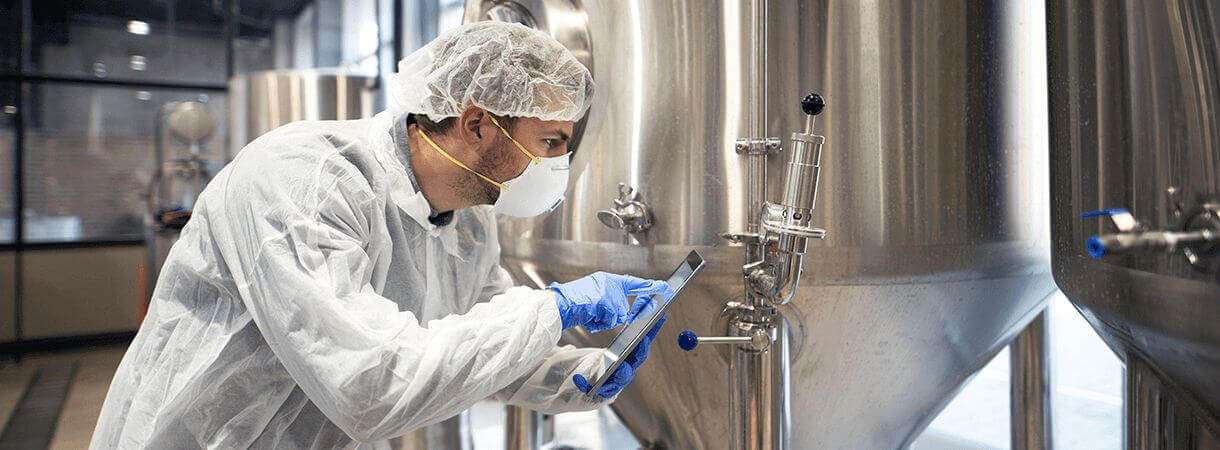
A CDSCO Manufacturing License is the official approval granted by the Central Drugs Standard Control Organization (CDSCO) that authorizes manufacturers to legally manufacture medical devices for sale and distribution in India. The license is issued in accordance with the Medical Device Rules, 2017, which establish regulatory requirements for medical devices based on their risk classification.
A Medical Device Manufacturing License demonstrates that the manufacturing facility, production processes, quality management system, technical documentation, and regulatory controls comply with Indian regulatory requirements. Depending on the device classification, the license is issued by either the State Licensing Authority (SLA) or the Central Licensing Authority (CLA).
Obtaining a CDSCO Medical Device Manufacturing License is essential for those medical device manufacturers who want to manufacture the medical device in India.
Regulatory Authorities for CDSCO Manufacturing License
Central Licensing Authority (CLA)
The Central Licensing Authority (CLA) is responsible for regulating higher-risk medical devices and ensuring compliance with national regulatory requirements.
The CLA is responsible for:
Granting CDSCO Manufacturing License for Class C and Class D medical devices
Approval of clinical investigations
Regulatory inspections and compliance monitoring
Coordination with State Licensing Authorities
Issuing regulatory guidance and clarifications
State Licensing Authority (SLA)
The State Licensing Authority (SLA) regulates low and moderate-risk medical devices manufactured within the respective state.
The SLA is responsible for:
Granting Medical Device Manufacturing License for Class A and Class B devices
Monitoring manufacturing facilities
Assigning Notified Bodies for quality system assessments
Reviewing manufacturing documentation
Conducting regulatory inspections
Monitoring post-license compliance
Medical Device Classification under Medical Device Rules, 2017
Different CDSCO Forms related to Manufacturing License
The Medical Device Manufacturing License is categorized according to the risk class of the medical device.
1. Class A & Class B Manufacturing License
Manufacturers of low and low-to-moderate risk devices must obtain a CDSCO Manufacturing License from the State Licensing Authority.
Examples
Surgical Bandages
Examination Gloves
Surgical Drapes
Syringes
Basic Diagnostic Devices
Applicable Forms
MD-3 (Application)
MD-5 (Manufacturing License)
MD-4 (Loan License Application)
MD-6 (Loan License)
2. Class C & Class D Manufacturing License
Manufacturers producing medium-high and high-risk medical devices require approval from the Central Licensing Authority.
Examples
Orthopedic Implants
Cardiac Devices
Ventilators
Dialysis Machines
Implantable Medical Devices
Applicable Forms
MD-7 (Application)
MD-9 (Manufacturing License)
MD-8 (Loan License Application)
MD-10 (Loan License)
Step by Step Process to Obtain a CDSCO Manufacturing License
Manufacturing medical devices in India requires compliance with the Medical Devices Rules, 2017 (MDR 2017) and the applicable licensing requirements based on the device’s risk classification. CDSCO classifies medical devices into Class A, B, C, and D, ranging from low to high risk.
The licensing authority and application form depend on the device classification. For Class A and B devices, applications are generally handled by the State Licensing Authority (SLA), while Class C and D devices are handled by the Central Licensing Authority (CLA).
1. Determine Your Medical Device Classification
Start by identifying the risk class of your medical device under the classification rules in MDR 2017.
The four risk classes are:
Class A: Low risk
Class B: Low to moderate risk
Class C: Moderate to high risk
Class D: High risk
The classification determines the applicable licensing authority, application form, documentation, and regulatory pathway.
2. Apply for the Test License
If you need to manufacture a limited quantity of a medical device for testing, evaluation, examination, clinical investigation, demonstration, or training, apply for the applicable Test License under the Medical Devices Rules, 2017.
Note: A Test License is separate from the regular manufacturing licence and is not mandatory for routine commercial manufacturing.
3. Prepare the Documentation
Before applying, ensure that the manufacturing facility meets the applicable Quality Management System (QMS) requirements under the Fifth Schedule of MDR 2017. The QMS documentation may cover document control, management responsibilities, personnel training, production controls, supplier management, equipment maintenance and calibration, process validation, non-conforming products, CAPA, complaints, internal audits, and post-market surveillance.
The application should also include the documents prescribed under the Fourth Schedule of MDR 2017, such as:
Manufacturing premises and facility details
Quality Management System documentation
Device Master File (DMF)
Plant/Site Master File
Device specifications and technical information
Essential Principles of Safety and Performance
Applicable standards
Testing and validation information
Labelling and packaging information
The exact documentation requirements may vary depending on the device classification and type of manufacturing activity.
4. Submit the Application Online
Submit the applicable application through the designated medical devices online portal, with the prescribed documents and applicable fee.
For Class A and B, this involves Form MD-3 or MD-4 for a loan licence. For Class C and D, the application is submitted in Form MD-7 or MD-8 for a loan licence.
CDSCO also identifies the online application process through the SUGAM platform for relevant medical device licensing activities.
5. Regulatory Scrutiny and Manufacturing Site Audit
After submission, the application and supporting documents are reviewed by the applicable licensing authority.
For applicable devices, the manufacturing site is audited to verify compliance with the requirements of MDR 2017 and the applicable QMS requirements. CDSCO identifies manufacturing site inspection for QMS compliance as part of its medical device regulatory functions.
For Class A devices that are not non sterile and non measuring, MDR 2017 provides that a manufacturing site audit is not required before grant of the licence, although the required audit by a registered Notified Body must be conducted within 120 days after the licence is granted.
6. Address Regulatory Queries or Deficiencies
If the licensing authority raises queries or identifies deficiencies during document review or audit, the manufacturer must provide the required clarification, additional information, or corrective action within the applicable regulatory process.
Ensuring that the technical documentation, QMS, manufacturing facility, and application information are consistent can help reduce avoidable deficiencies.
7. Obtain the CDSCO Manufacturing License
Once the application and applicable compliance requirements are satisfactorily completed, the appropriate authority grants the manufacturing licence.
The licence is issued as:
MD-5 for applicable Class A/B manufacturing licences
MD-6 for applicable Class A/B loan licences
MD-9 for Class C/D manufacturing licences
MD-10 for Class C/D loan licences
8. Maintain Compliance After Licensing
Obtaining the manufacturing licence is not the end of the regulatory obligation. Manufacturers must continue to comply with the applicable requirements of MDR 2017, including QMS, manufacturing, documentation, post approval requirements, and other applicable regulatory obligations.
Obtaining a CDSCO Manufacturing License requires in-depth regulatory knowledge and accurate documentation. Maven provides end-to-end support to help medical device manufacturers achieve regulatory compliance efficiently.
FAQ:
A CDSCO Manufacturing License is a regulatory approval issued under the Medical Device Rules, 2017 that authorizes manufacturers to legally manufacture and distribute medical devices in India. The license is granted by the State Licensing Authority (SLA) or Central Licensing Authority (CLA), depending on the device classification.
Any company manufacturing Class A, B, C, or D medical devices in India must obtain a CDSCO Manufacturing License before commercial production. This includes OEMs, contract manufacturers, private label manufacturers, and IVD manufacturers.
The State Licensing Authority (SLA) issues licenses for Class A and Class B medical devices, while the Central Licensing Authority (CLA) issues licenses for Class C and Class D medical devices.
Manufacturers must register on the CDSCO SUGAM Portal, prepare the required documents, submit the appropriate MD application form, pay the applicable fees, and undergo regulatory review and inspection, if required.
Commonly required documents include the Plant Master File (PMF), Device Master File (DMF), Quality Management System (QMS) documents, manufacturing site details, technical documentation, product testing reports, labels, and Instructions for Use (IFU).
Yes. All applications for a Medical Device Manufacturing License must be submitted online through the CDSCO SUGAM Portal.